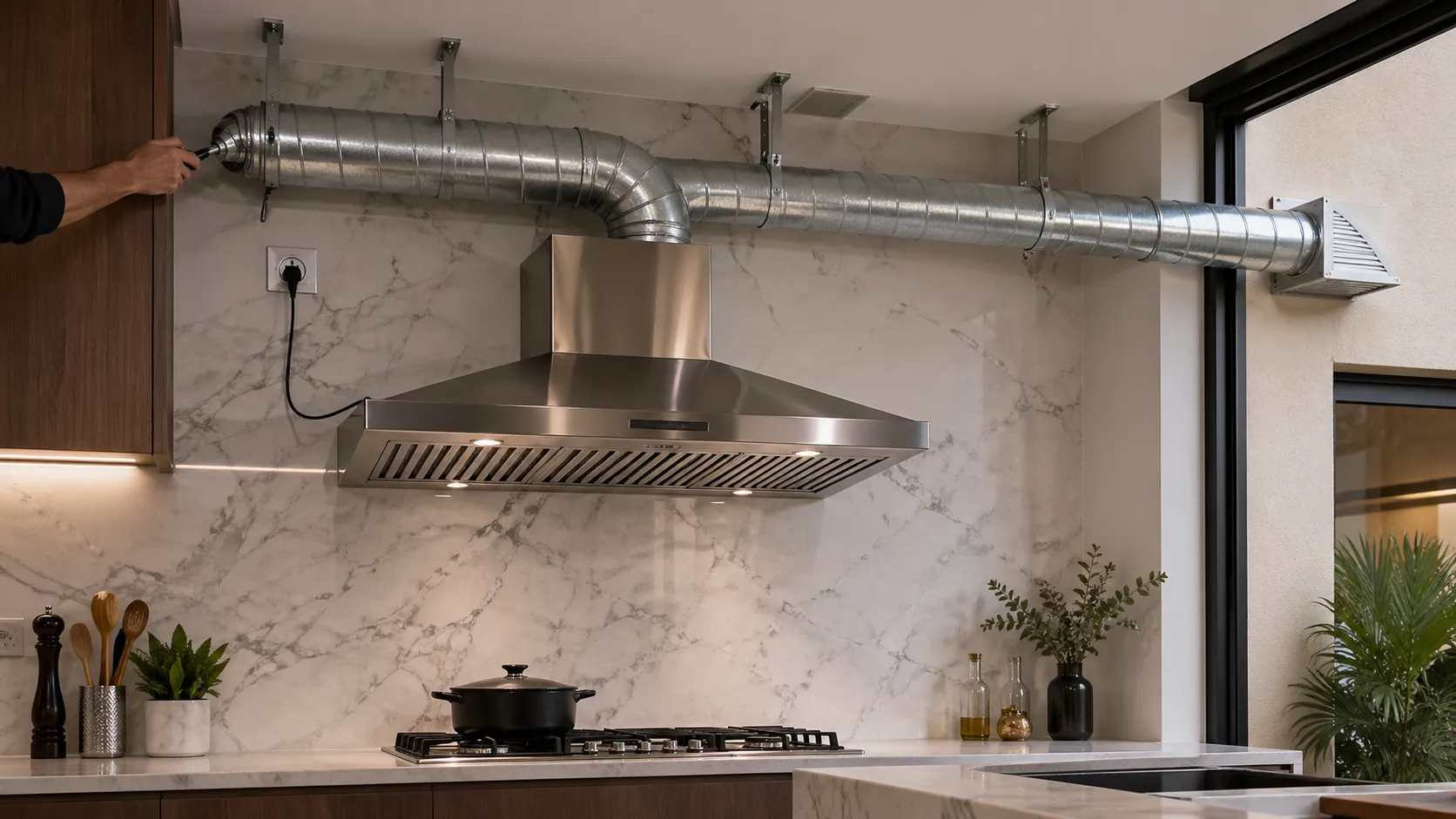


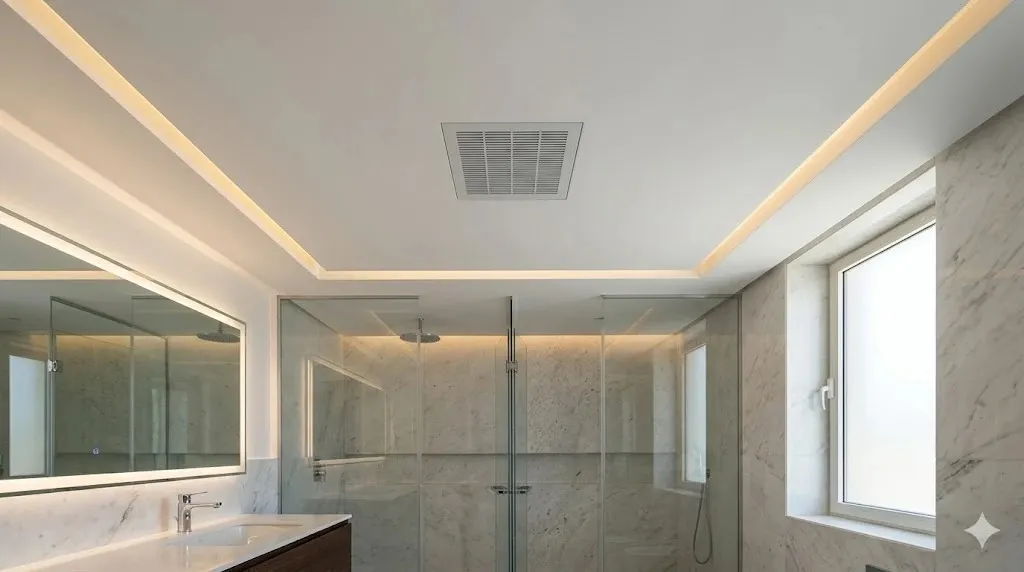
Sometimes, you may notice that your kitchen hood fails to extract steam properly, even though the installed fan is powerful. In many cases, the problem is caused by back pressure due to a “choke point” in the air route or a clogged filter that has lost its effectiveness.
Ensuring ideal ventilation in humid conditions requires choosing accessories that can handle demanding operation and allow free airflow. In this Cyberia guide, we explain the most important technical standards for replacement and maintenance by covering:
- Kitchen hood filter types and how to choose and install them.
- Signs of weak performance and when to clean or replace the filter.
- A sizing guide for kitchen hood filters and exhaust openings.
- The role of duct routes and external covers in maintaining extraction power.
Cyberia’s expertise helps solve unpleasant odor problems and grease buildup. Take a photo of your kitchen hood and send it to us so we can identify the right filter and hose for your kitchen.
Kitchen Hood Filter Types and Their Functions
The main function of a kitchen hood filter is to trap grease and cooking vapor before they reach the fan or air duct.
Choosing the correct type matters because each filter has a different role. You should not replace one type with another before confirming how your kitchen hood works.
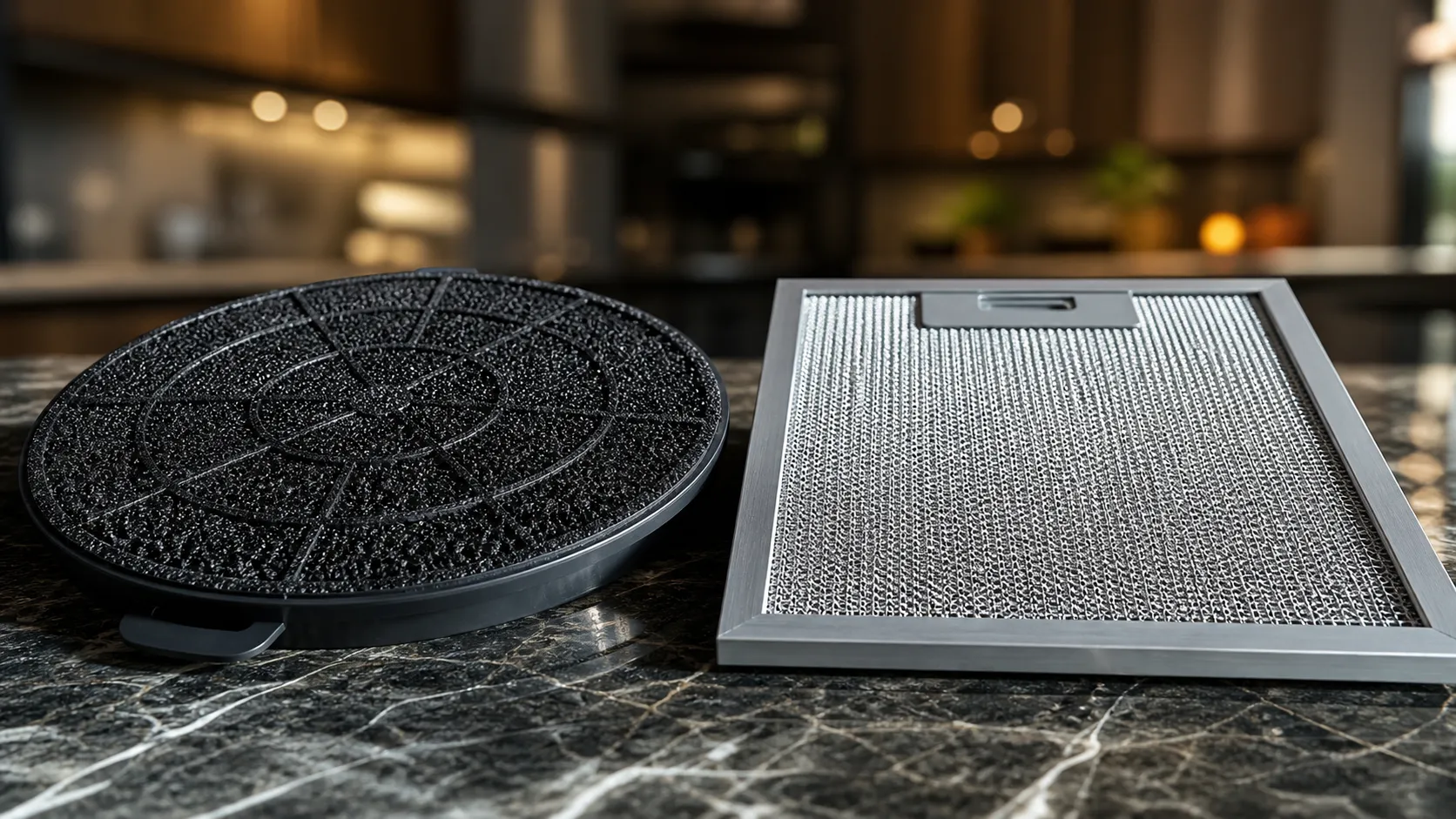
Metal Grease Filter
This is the most common type in hoods connected to a duct or hose that discharges air outdoors.
It is usually made of aluminum or stainless steel, and its function is to capture oil, grease mist, and cooking vapor.
It suits:
- Wall-mounted hoods.
- Built-in hoods.
- Hoods connected to an external exhaust outlet.
- Kitchens that rely on frying or daily cooking.
You can clean it if it is still in good condition. However, if it is bent, broken, or does not stay fixed in place, it should be replaced immediately.
Carbon Filter
A carbon filter is usually used in hoods that do not discharge air outdoors. Instead, they filter and recirculate the air inside the kitchen.
Its function is to reduce odors, not to trap heavy grease on its own.
This type needs a grease filter with it because if grease reaches the carbon filter, its efficiency drops quickly.
Usually, a carbon filter is not washed. It is replaced when its performance weakens or when it becomes saturated with odors.
Paper or Cut-to-Size Filter
This type appears in some simple or older kitchen hoods.
It is cut or installed according to the filter slot size, and its function is to reduce grease passing into the hood.
This type requires accurate installation because any gap around it allows grease to reach the fan.
It is also not suitable for all hoods, so you must check the manufacturer’s recommendation or match the old filter.
Integrated or Model-Specific Filter
Some hoods use a model-specific filter, whether metal, carbon, or integrated.
In this case, measuring length and width is not enough. You must also check the fixing method, clip positions, and filter thickness.
This type requires accurate matching before ordering, especially in modern or built-in kitchen hoods.
Before ordering any kitchen hood filter, check the following:
- Does the appliance discharge air outdoors or recirculate air indoors?
- Was the previous filter made of metal, carbon, or paper?
- Is there a pipe or duct behind the hood?
- What are the filter dimensions in width and depth?
- Is it fixed with side clips or a sliding track?
- Is the model number visible on the appliance body?
Cyberia technicians help identify the most suitable filter for your home to prevent embarrassing grease buildup. Contact our team to recommend the filter that matches your system.
Read more: Small Kitchen Exhaust Fan and Wall-Mounted Options in Kuwait
Signs of Weak Kitchen Hood Filter Performance in Kuwait
Weak extraction does not always mean the filter is damaged. However, the filter should be the first part you inspect because it directly captures grease and dust.
Signs of a Dirty or Weak Exhaust Fan Filter
You may need to clean or replace the filter if you notice:
- Cooking odors remain in the kitchen shortly after turning on the hood.
- Slow extraction of steam and grease during frying or heavy cooking.
- Visible grease layers on the outer filter surface.
- Original filter color changes or small filter holes become blocked.
- Loud appliance noise while extraction remains very weak.
- Oil droplets fall from the filter edges or lower hood body.
- Unpleasant odors return quickly as soon as the fan stops.
In these cases, cleaning may be enough if the metal filter is still in good condition.
However, if the filter is bent, broken, does not stay fixed, or if the carbon filter is old, we recommend replacing it with a matching piece.
Cases That Require Kitchen Hood Filter Replacement
A kitchen hood filter should be replaced when:
- The filter is broken or bent and cannot close properly in its position.
- Mesh wires are corroded or internal filter layers are falling apart.
- Deep grease buildup cannot be removed by normal cleaning.
- Strong odors come from the filter itself even after washing and drying.
- The carbon filter has lost its effectiveness after long use.
- The filter size does not match the frame and leaves gaps that allow air leakage.
Causes of Weak Extraction Beyond the Filter
If the filter is clean and fixed properly but extraction is still weak, inspect other parts of the system, such as:
- A kitchen hood hose that is bent or compressed behind wooden cabinets.
- A discharge route that is too long or has too many bends.
- An external exhaust opening blocked by heavy dust or old grease.
- Air leakage at hose connections or internal duct joints.
- A weak hood fan motor that needs mechanical maintenance.
- External exhaust covers that do not open enough for airflow.
- A hood that uses indoor air recirculation instead of outdoor discharge.
Also read: Beauty Salon Ventilation Solutions in Kuwait
How to Clean a Kitchen Hood Filter Before Replacement
Cleaning is an essential step because weak extraction or oily odors are often caused by grease buildup on the filter surface, not by motor failure.
Turn Off the Power Before Removing the Filter
Turn off the appliance and disconnect power from the socket or breaker first.
Do not remove the filter while the motor is running. Also, avoid touching internal parts with wet hands to prevent slipping or electrical risk caused by moisture and grease.
Remove the Filter and Inspect Its Condition
Remove the cover or slide the filter out according to the fixing method. Handle clips and side tracks gently to avoid breaking them.
After removal, check:
- Is the filter metal and washable with water and detergent?
- Are the mesh wires intact or bent and damaged?
- Are there corrosion marks or clear cracks in the frame?
- Does the filter stay firmly in place without vibration?
- Is the grease buildup superficial or deep inside the layers?
If the filter is broken or does not stay fixed, cleaning will not solve the problem. You will need a matching replacement based on the exhaust fan opening size.
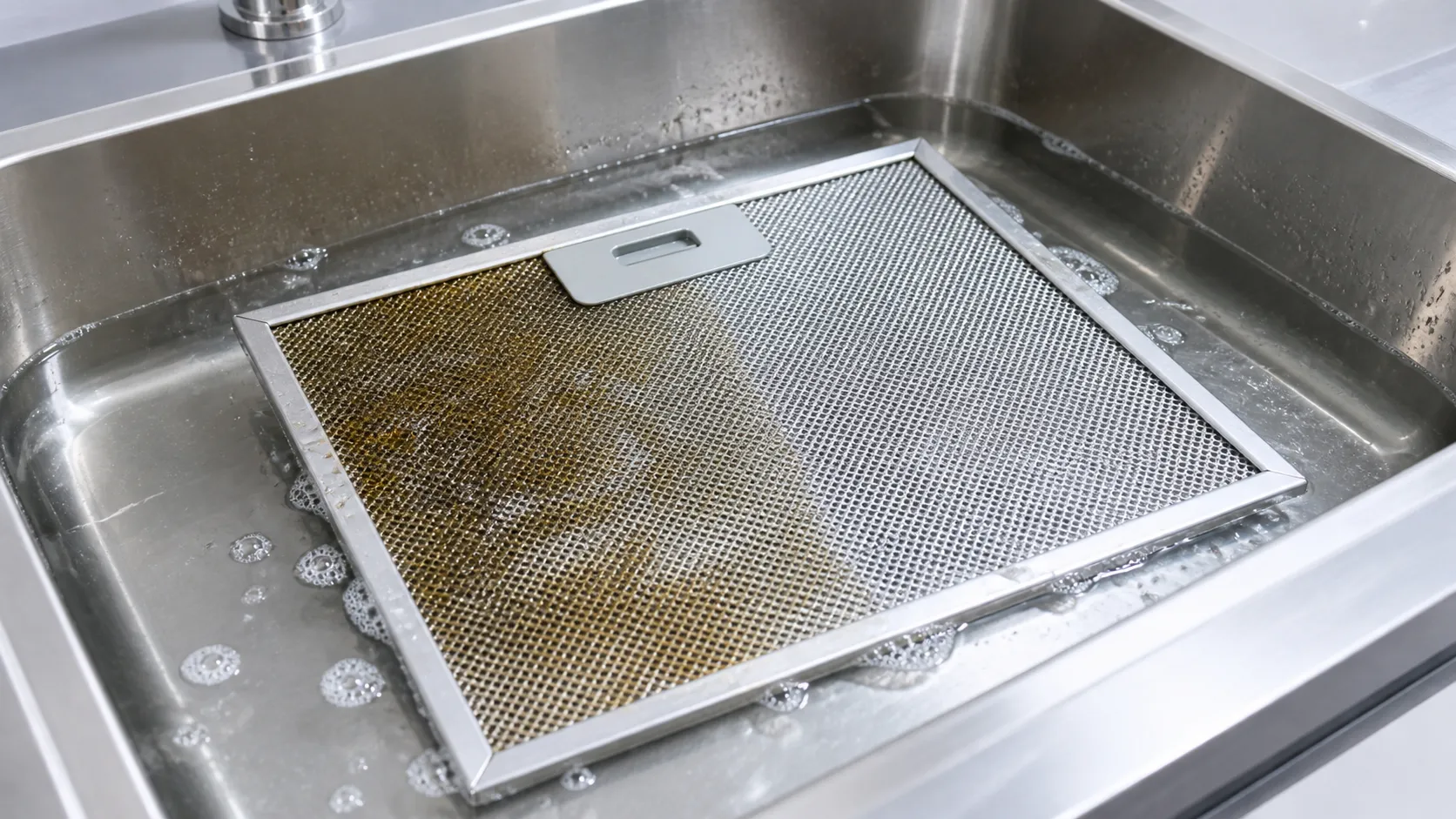
Soak Metal Filters to Dissolve Grease
Place the metal filter in a suitable sink or container, then add hot water with a grease-cleaning liquid or dishwashing soap.
Leave the filter long enough for the grease to soften, then use a soft brush to clean the mesh and corners.
Avoid sharp tools or rough wire brushes because they can damage the filter layers and widen the mesh openings, allowing grease-heavy vapor to pass into the internal parts of the appliance.
Rinse and Dry Completely
Before reinstalling the filter, rinse it with clean water after removing the grease to clear detergent residue from the small openings.
Then leave it to dry completely away from moisture.
Do not reinstall the filter while it is wet. Moisture may reach internal motor parts, and grease may stick faster once the hood is turned on again.
How to Handle Carbon Filters
Carbon filters are used in appliances that recirculate air. They are not designed for soaking or washing because their role is to absorb odors and then be replaced when they expire.
Signs that a carbon filter has lost effectiveness include:
- Cooking odors remain even after washing the metal grease filter.
- The filter itself develops a noticeable smell or becomes saturated with oil.
- Internal filter layers begin to fall apart or lose shape.
- The filter has been used for longer than the recommended period.
- There is no clear record of the last replacement date.
Test the Appliance After Cleaning
After the filter dries, reinstall it and run the kitchen hood to monitor performance.
Check:
- Has the extraction of air and steam clearly improved?
- Have grease and oil odors disappeared from the kitchen?
- Is the motor sound normal and stable during operation?
- Is the filter fixed in place without vibration or side air leakage?
- Is air clearly flowing from the external exhaust outlet?
If performance improves, cleaning has solved the issue.
If extraction remains weak, inspect the kitchen hood hose, exhaust ducts, or the motor itself.
Check: Kitchen Hood Types and Installation Standards in Kuwait 2026
Kitchen Hood Filter and Exhaust System Measurement Guide in Kuwait
The correct exhaust fan opening size is not determined by the visible front of the appliance only.
There are three different technical measurements to check: the internal filter size, the discharge outlet diameter, and the hose size.
To avoid buying incompatible parts that cause steam or grease leakage, you must identify the following accurately:
- Measure the internal filter dimensions, including length, width, and thickness, to avoid side gaps that allow grease to reach the motor.
- Check clip positions or the fixing track to ensure the replacement piece fits the frame properly.
- Identify the discharge outlet diameter behind or above the appliance to choose the right duct size or adapter.
- Check the kitchen hood hose size between the appliance and outlet to avoid narrowing the route and reducing extraction power.
- Inspect the external cover on the façade or roof to ensure it can prevent dust and odor backflow when the hood stops.
Cyberia saves you from wrong measurements and incompatible parts. Send us your appliance model, and we will prepare parts with accurate engineering dimensions.
The Role of Kitchen Hood Hose and Ductwork in Extraction Power
The success of the ventilation system depends on the air route as much as it depends on motor power.
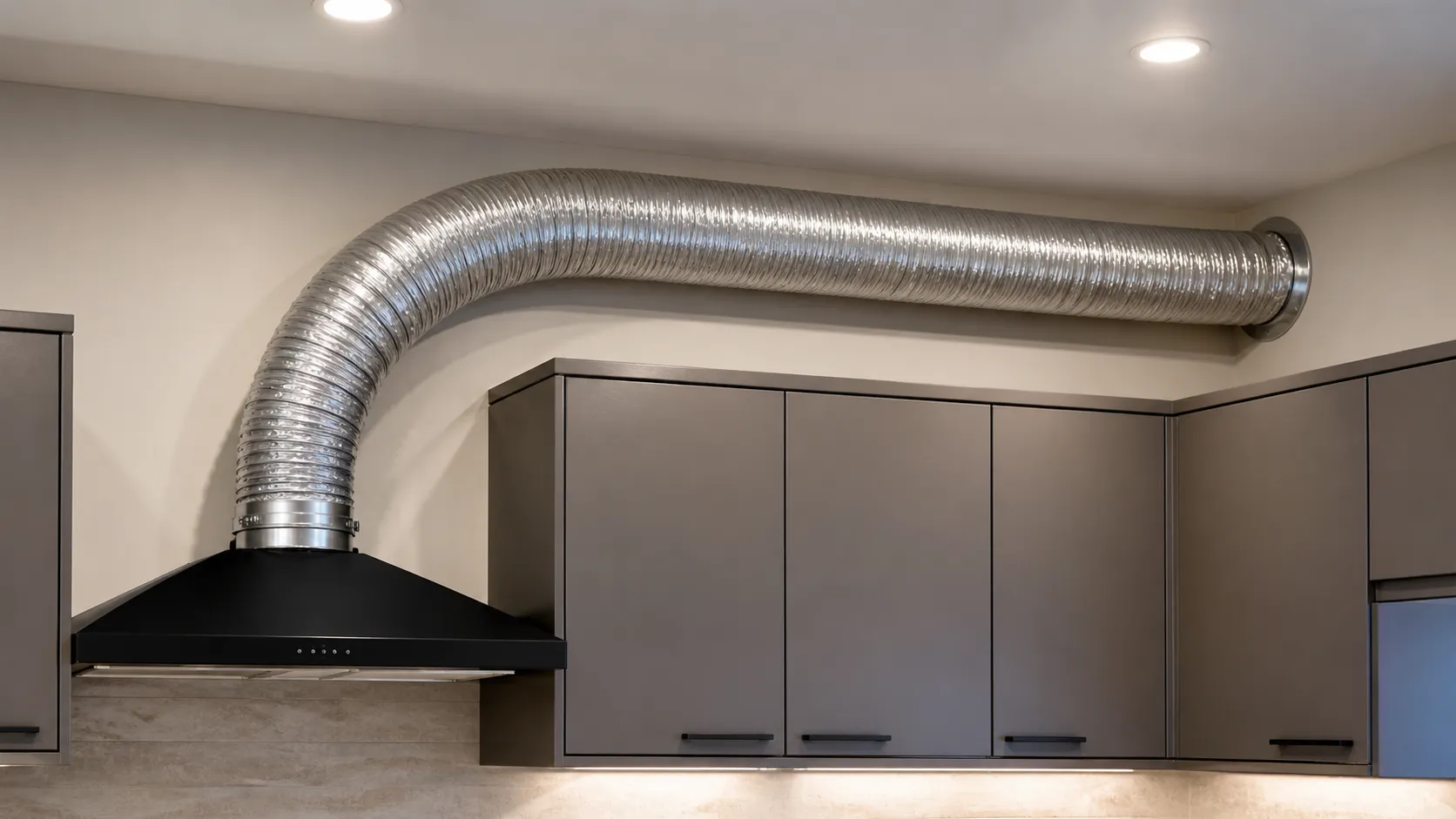
The kitchen hood hose acts as the bridge that carries steam and odors outdoors.
Comparing Air Route Types
The type of connection is chosen according to available space and interior kitchen design requirements.
- Flexible hose: Suitable for tight spaces or short connections inside cabinets. However, excessive length or too many twists can obstruct airflow.
- Rigid duct: Provides better stability in organized projects and kitchens that need a clear, inspectable route, especially when there are several extraction points.
Criteria for Choosing the Correct Ventilation Route
A technical route selection should be based on the actual kitchen layout. A specialist technician checks:
- How close the external discharge opening is to the appliance, so steam and odors can leave through a short and direct route.
- Whether there are structural obstacles or cabinets that may compress the hose and restrict airflow.
- Whether the external cover allows airflow to pass smoothly while preventing dust or insects from entering when the motor stops.
- Whether hose joints and connections are accessible for maintenance or grease cleaning.
At Cyberia, we provide integrated solutions that include duct route selection, site preparation, and extraction performance testing to keep your ventilation system working at its best.
Read more: Top Hotel Ventilation and Chalet AC Solutions in Kuwait: Silent Exhaust
How to Choose Exhaust Fan Openings and External Covers in Kuwait
External exhaust covers act like a safety valve that directs steam outdoors.
They are important because they prevent dust and reverse odors from entering the kitchen when the extraction system is off.
Criteria for Preparing Exhaust Fan Openings
When designing outlets, the system should allow air to exit with the lowest possible resistance while reducing backflow risk.
A technician should consider:
- Directing airflow smoothly outdoors and preventing grease buildup at the outlet.
- Avoiding random installation, because requirements differ according to building type and outlet position on the façade.
- Using suitable covers or dampers that prevent reverse airflow based on appliance type and outlet location.
Choosing External Exhaust Covers by Location
Required specifications differ according to location and surrounding weather conditions.
- Open façades exposed to sun and dust need different designs from openings inside shafts or rooftops.
- Matching the cover size with the opening ensures stability and prevents restrictions that limit air discharge.
- Keeping the outlet diameter correct protects extraction power, regardless of the quality or efficiency of the hood itself.
Common Installation Mistakes
Pay attention to these mistakes because they can reduce the effectiveness of newly replaced ventilation parts:
- Installing new hoses while keeping old external covers that are blocked with grease or dust.
- Ignoring the end of the route, leaving the choke point in place and reducing the benefit of new filters.
Also read: Best Central Home Ventilation Systems in Kuwait and Silent Duct
Cost Factors for Kitchen Filter and Ventilation Services in Kuwait
The cost is not based only on the part name. Several factors affect the final price.
Filter Type and Required Service
The cost is affected by:
- The type of filter and whether matching alternatives are available for the model.
- The filter condition and whether it needs cleaning or replacement.
- Size compatibility and fixing method, which are essential in determining part price.
Grease Condition and Air Route Impact on Price
Cost can change based on:
- How saturated the appliance is with grease and whether the motor needs deep cleaning.
- Whether the work requires hose replacement or duct treatment.
- Hood location and how difficult it is to remove built-in parts.
Pricing Rules for Projects and Large Supply Requests
For larger orders or project requirements:
- Total cost depends on quantity size and repeated technical measurements.
- Material quality and required delivery schedules affect the financial offer.
- Providing quantity schedules and drawings helps prepare an accurate and responsible contractor quotation.
Cyberia’s offers are clear and suitable for the actual work scope, with no hidden costs. Request an accurate price for cleaning or supply based on your site condition.
Cyberia: Your Technical Partner for Ventilation Systems in Kuwait
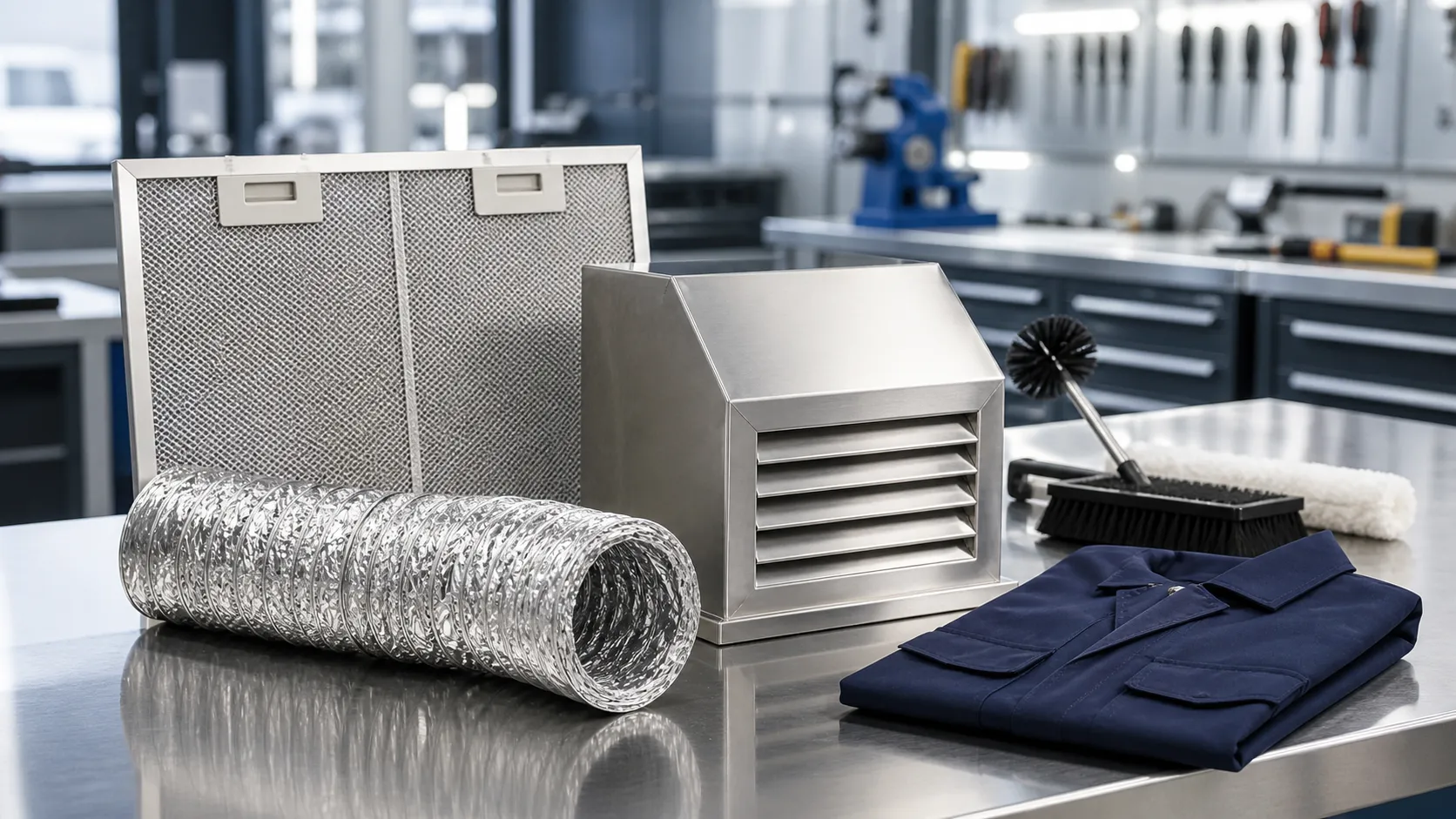
At Cyberia, we combine deep engineering experience with the supply of original spare parts to ensure reliable operation under demanding conditions in the Kuwaiti market.
Our services are based on technical accuracy that protects performance and keeps air cleaner. We are a trusted partner for projects that seek technical quality, because we believe the correct size is the foundation of a successful ventilation system.
Our process is clear and starts with matching the data, then ends with performance verification:
- We begin by reviewing old filter measurements to choose a fully matching piece that prevents grease leakage into the motor.
- We provide a range of original filters and hoses that withstand high heat and severe humidity in Kuwait.
- We support contractors and project owners with accurate guidance for taking measurements and testing extraction power after execution.
These steps help solve ventilation problems in a way that maintains appliance efficiency and keeps the kitchen clean for longer.
Cyberia covers all areas of Kuwait with professional ventilation services. Message our team on WhatsApp with your request and get ready for a cleaner and healthier cooking environment.
FAQs About Kitchen Hood Filters
How Do I Choose the Right Kitchen Hood Filter for My Hood Type?
The choice depends on the system type.
External discharge systems require metal grease filters, while recirculation systems need carbon filters. The exhaust fan opening size must also match, and a photo of the installation area helps confirm compatibility.
When Does an Exhaust Fan Filter Need Replacement Instead of Cleaning?
Replacement is required when the frame is broken, the metal pores are permanently blocked, carbon filters are saturated with odors, or paper filters have been used for too long.
Is the Kitchen Hood Hose Different Between Wall-Mounted and Built-In Hoods?
Yes. The difference depends on the available duct route behind cabinets or inside the ceiling.
Built-in hoods often need more accurate hose routing in tighter spaces compared with wall-mounted hoods.
How Can I Check the Exhaust Fan Opening Before Ordering a Filter and Hose?
Take a photo of the discharge opening from the back or top, measure its shape and location, then compare it with the hose or adapter size.
Do not rely only on the front size of the hood because the internal filter size, discharge opening, and hose size are three different measurements.
Do External Exhaust Fan Openings Affect Odor Return?
Yes. A damaged external cover or one blocked with grease can cause back pressure, allowing odors and dust to return into the kitchen once the fan stops.
When Should External Exhaust Covers Be Changed with the Hose?
They should be changed when the cover is damaged, completely blocked, or when the air route size is modified.
This prevents the outlet from becoming a choke point that weakens overall extraction power.